New health data shows encouraging signs that reforms are beginning to make a real difference for patients across Queensland, including here in Far North Queensland.
The Crisafulli Government has announced that statewide ambulance ramping has fallen to 37.3 per cent in the December quarter, the lowest quarterly rate since December 2020. This marks the lowest level in five years and an early sign that targeted reforms are starting to turn the tide after what has been described as a decade of decline under the former Labor Government.
A key component of these reforms is the expanded Queensland Ambulance Service Clinical Hub. The $8.31 million facility provides real time clinical support and decision making for Triple Zero calls across Queensland, including patients in the Far North.
Located in Brisbane, the expanded hub now includes 66 specialist workstations, more than doubling previous capacity. It is staffed by senior paramedics, specialist doctors, nurses, mental health clinicians and allied health professionals who assess calls and guide patients to the most appropriate care pathway.
Between July and December 2025 alone, more than 33,000 patients were safely treated without requiring an ambulance dispatch. This has helped prevent unnecessary hospital visits and ensured ambulances remain available for life threatening emergencies.
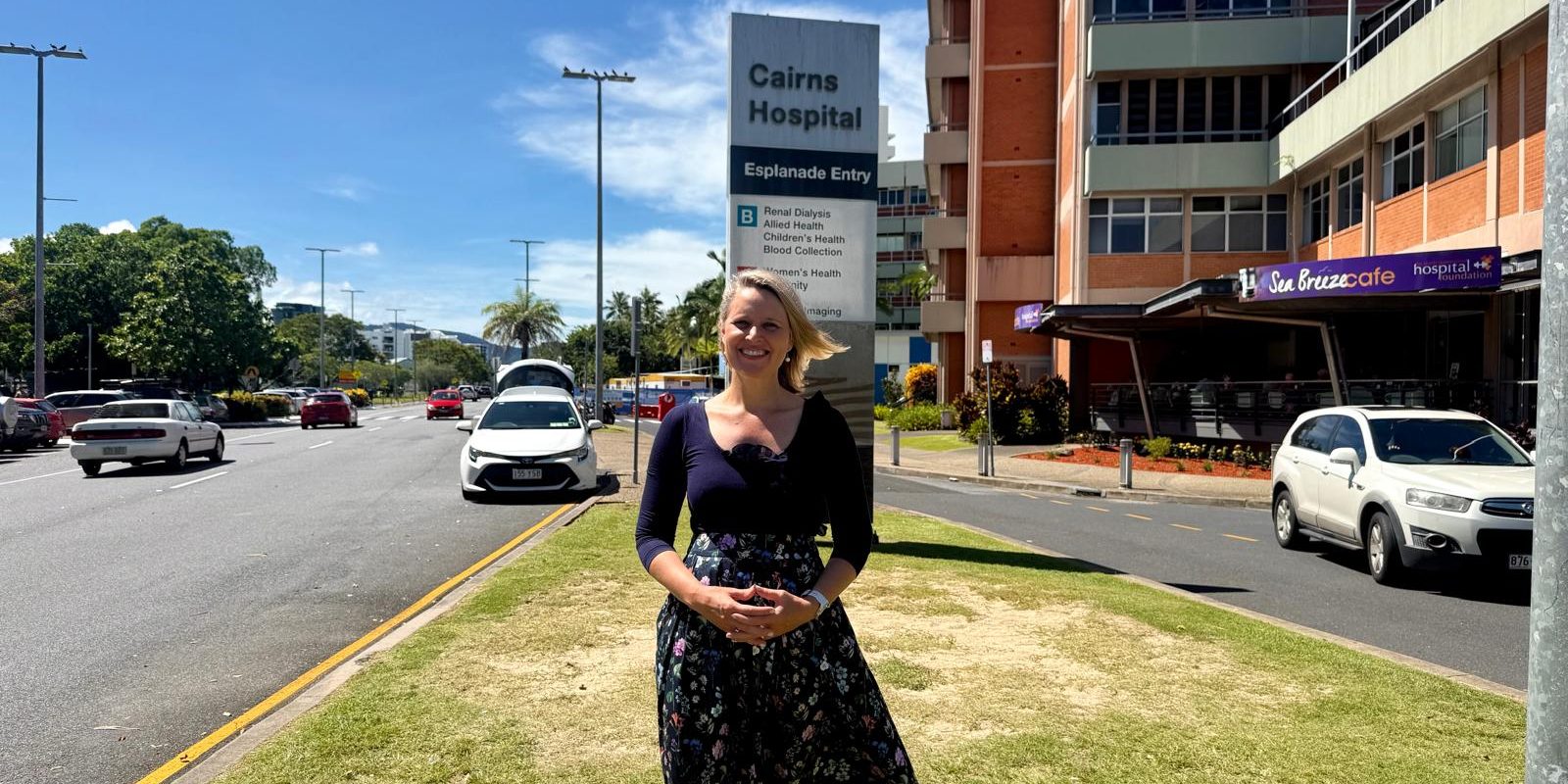
For communities in Cairns and across Far North Queensland, this means faster emergency responses, fewer delays outside hospitals, and improved access to timely care.
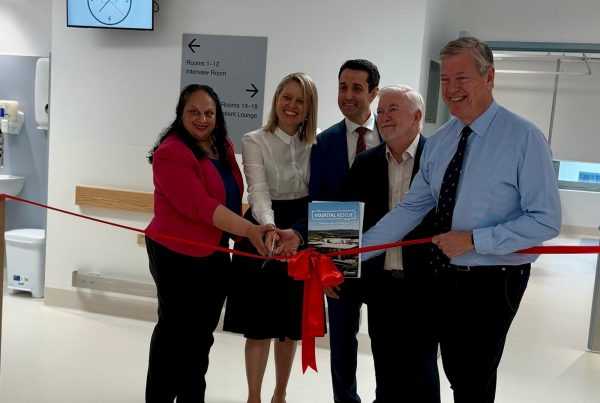
These changes form part of the Crisafulli Government’s fully funded Hospital Rescue Plan, which aims to address infrastructure pressures and workforce shortages across the state.
The plan includes the delivery of 2,600 new beds and new and expanded hospitals across Queensland, alongside workforce reforms designed to strengthen frontline services and reduce ramping over the long term.
The latest ramping data suggests early progress, but the Government has acknowledged there is more work to do to ensure Queenslanders receive timely, reliable health services into the future.
With continued investment in infrastructure, workforce and system reform, the goal is clear: easier access to health services, stronger frontline support, and better health outcomes for communities across Far North Queensland.