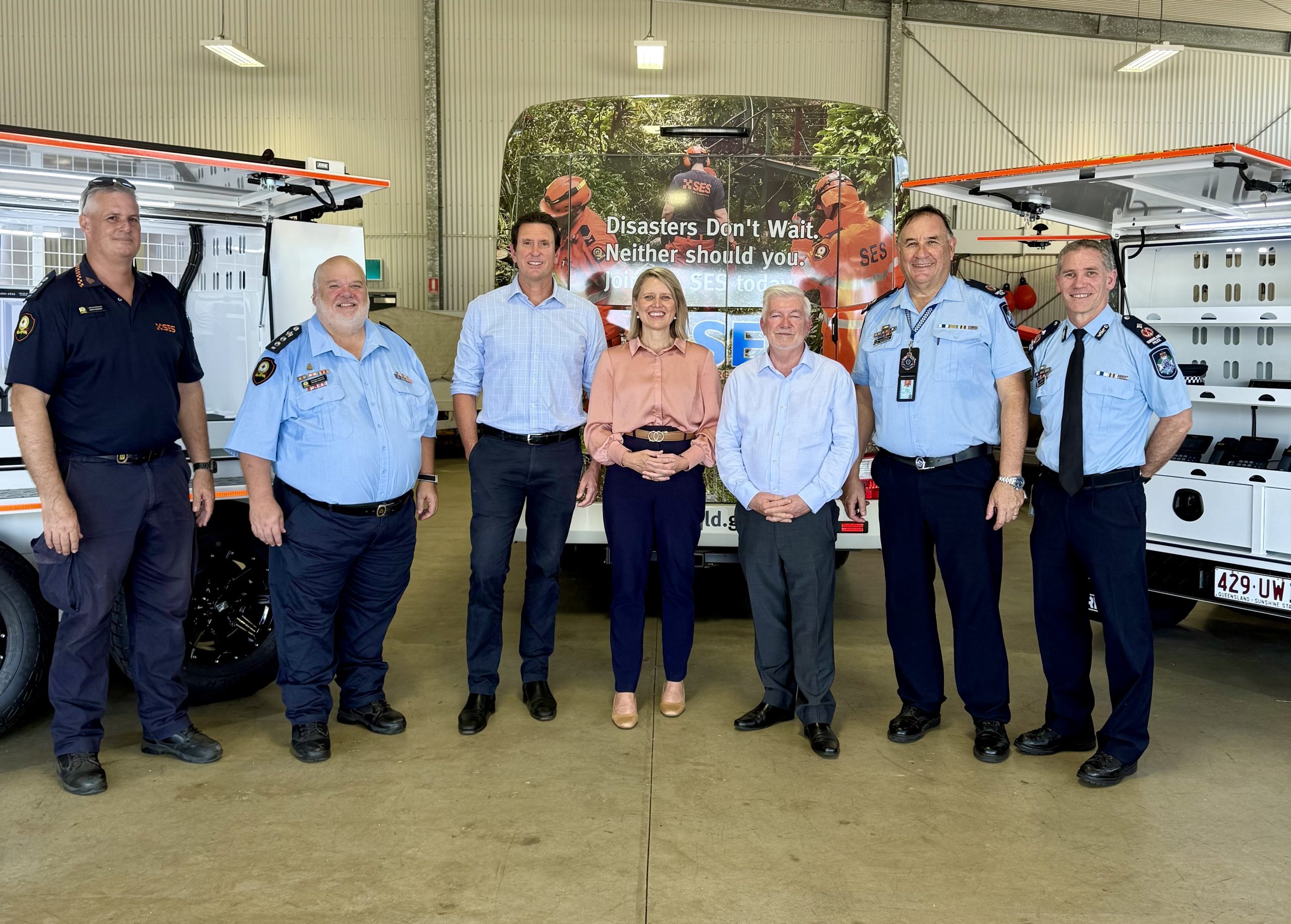
In Far North Queensland, reliable communication isn’t a luxury, it’s a lifeline. When severe weather hits, communities can quickly become isolated, cut off from support services, emergency responders, and loved ones. That’s why the Crisafulli Government’s delivery of two new Airbridge Resilient Network Infrastructure (ARNI) trailers to the Far Northern SES is so important for our region.
These ARNI trailers are designed specifically for disaster conditions. They are satellite-powered and battery-equipped, meaning they don’t rely on damaged towers or downed power lines. When traditional networks fail, ARNI units can be rapidly deployed to re-establish connectivity, providing stable internet and Voice over Internet Protocol (VoIP) communication. In practical terms, that means SES crews can set up emergency communication hubs during cyclones, flooding, or isolation events — keeping people informed and connected when they need it most.
This project highlights strong cooperation between the Queensland Police Service (QPS) and the State Emergency Service, delivering real, tangible outcomes for regional and remote Queenslanders. It recognises that places like ours — spanning vast distances, remote townships, and challenging terrain — require solutions tailored to local realities.
Nearly two years on from Cyclone Jasper, the lessons are still fresh. FNQ knows the cost of being cut off: flooded roads, isolated communities, and frontline crews operating with limited communications. ARNI technology helps ensure that next time severe weather strikes, our SES teams can respond faster, more effectively, and with the tools they need to keep people safe.
It’s a powerful investment in resilience — preparing our communities before disaster hits, and strengthening the communication backbone that keeps FNQ connected.