It’s a little-known issue putting enormous pressure on our hospitals, and it’s affecting Far North Queensland too.
The latest Queensland Health census shows 1,437 Queenslanders are currently stranded in hospital beds despite being medically fit for discharge. These patients no longer need hospital treatment, but they cannot leave because the Commonwealth-funded aged care or NDIS services they need simply aren’t available.
Here in the Cairns and Hinterland region, that number stands at 118 people.
To put that into perspective, that’s the equivalent of around four hospital wards occupied by people who are ready to leave hospital but have nowhere appropriate to go.
For patients and their families, this can mean extended hospital stays, uncertainty and delays in accessing the care and support they actually need. For our health system, it means fewer available beds for people waiting for treatment, longer pressures on emergency departments and additional strain on frontline healthcare workers.
Queensland Health conducts a quarterly census to measure the number of patients experiencing delayed discharge across the state.
The latest figures highlight a growing problem. While these patients no longer require hospital care, many remain in hospital because there is a shortage of aged care places and disability support options available outside the hospital system.
Of the 1,437 stranded patients statewide, 1,118 are older Queenslanders awaiting aged care placements and 319 are younger Australians waiting for NDIS supports.
At the same time, demand for hospital services continues to grow.
Federal Health Minister Mark Butler has acknowledged Australia needs significant growth in aged care capacity, yet data shows Queensland gained just 26 additional residential aged care beds between June 2024 and June 2025. That raises serious questions about whether enough support is being delivered to meet growing demand.
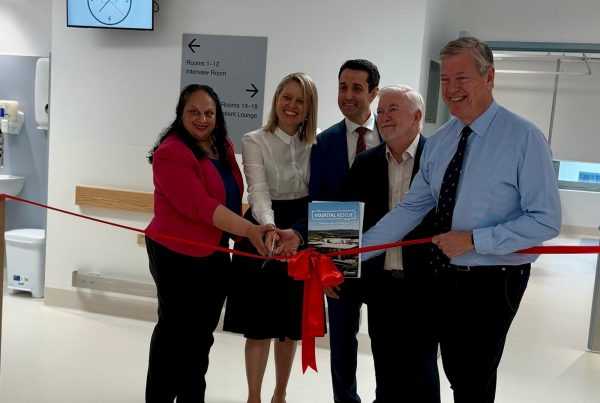
The Crisafulli Government is taking action through the Hospital Rescue Plan to free up beds, reduce waiting times and restore capacity across Queensland’s health system.
As part of that work, Queensland is continuing to increase hospital capacity, with 32 additional beds now being occupied.
The Hospital Rescue Plan is focused on delivering more beds, more frontline health workers and improved patient flow throughout the system so Queenslanders can access the care they need sooner.
But while Queensland continues to invest in hospital capacity, hospitals cannot solve this challenge alone.
The reality is that aged care and the NDIS are the Federal Labor Government responsibilities.
When appropriate aged care placements or disability supports aren’t available, vulnerable Queenslanders remain stuck in hospitals for longer than necessary. That creates flow-on effects throughout the entire health system.
The Federal Government has a critical role to play in funding and delivering the services that help people transition safely from hospital into aged care, disability support and community-based care settings.
Every hospital bed occupied by a patient who is ready to be discharged is a missed opportunity for another Queenslander waiting for treatment.
Queensland’s growing number of Stranded Australians highlights the need for stronger coordination between hospitals, aged care providers and disability support services. While Queensland continues to do its part through the Hospital Rescue Plan, it’s time for the Federal Government to step up and deliver the aged care and NDIS capacity needed to get people out of hospital and into the right care.